








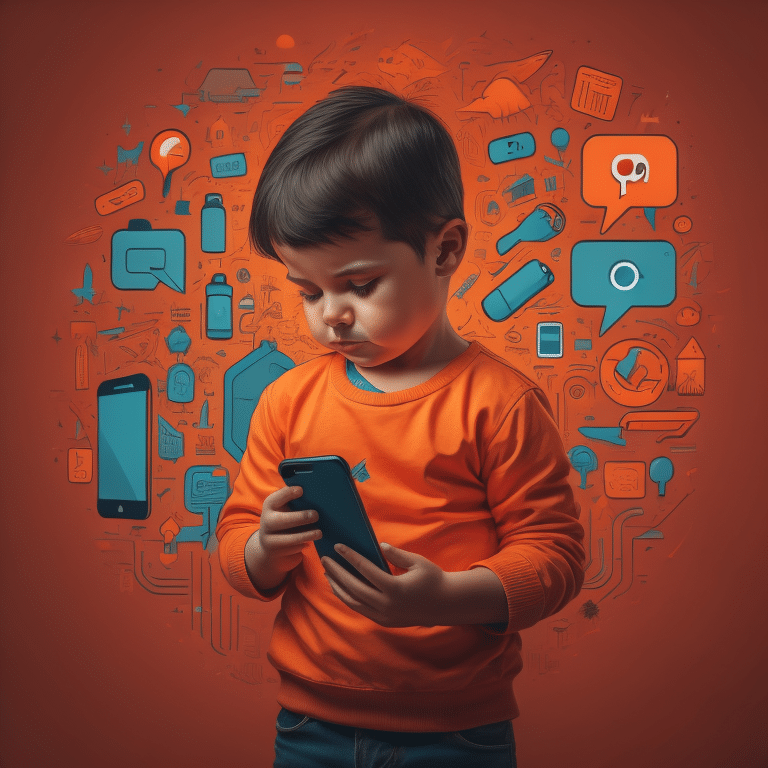
Impact of Social Media on Teenagers
The relationship between social media impact and our teenagers is getting worse. A study shows over 6,500 teenagers found that spending more than 30 minutes on social media on a daily basis increased the risk of depression and anxiety symptoms, as well as bullying and memory loss issues. In the 21st century, we are entering the age of technology, and it is becoming a part of life. Especially for teenagers, they are emotionally attaching themselves to social media and losing touch with the reality of life. No doubt, there are positive aspects of this relationship, but many reports from different countries on mental health show that the graph of negativity is much higher than the positive aspects.
You can imagine through the news of those schools and colleges where teenagers tried to attack students with guns and killed many of them without any hesitation. It’s all about the strength of the relationship between social media and their thoughts. Through these news stories, you can observe how technology hijacks people’s minds. Teenagers spend much time on social media, which impacts their mental health very badly. Many of them don’t engage in physical activities due to online games; they play physical games online, which don’t give them any physical fitness and instead decrease their mental activity. They don’t take any interest in physical activities and even order food online, which reduces their emotional attachment to society.
We will give a few examples of how the relationship is getting worse: Firstly, teenagers used to meet at some place and have group discussions to connect emotionally with each other. But nowadays, they create WhatsApp groups where they post and discuss things, using emojis, which leads to teenagers losing the ability to feel real emotions. Second, they ask for and check reviews of everything from the internet; in this sense, they rely on other people’s thoughts, and their individual capacity for understanding is getting lower day by day.
Impact of social media on Teenagers Personality
If we talk about only the behavior of teenagers, the internet, mainly social media, has impacted them very badly. They always live in a world of virtualization. They think about the facilities of life and how to fulfill their dreams. On social media, many celebrities and athletes perform acts for paid promotion, but teenagers as viewers don’t realize that these acts are paid content. They don’t understand that these celebrities and athletes perform these acts after a long journey and after getting proper training from professional trainers.
Flood of Information
If we talk about information, social media not only provides entertainment but is also considered an excellent means of transferring information by almost all countries in the world. People upload various types of information on social media every day, which is read by different kinds of people. There is no limit to information on social media, nor is there any check and balance. Teenagers also read this information, but they interpret its effects according to their own understanding. They do not consider which information is correct for them and which is not. This not only affects their mental state but also has a profound impact on their upbringing.
Over Thinking
When teenagers see different things on social media, their ability to think is also affected. They think about various things within a few moments while viewing different content. This causes their minds to dwell on matters that are not necessary for them.
The increasing trend of mental issues among teenagers is not only due to the use of social media but also the way it is used. Many teenagers do not know how much time to spend on social media, what content to view, and what to avoid.
Conclusion:
There’s a fix for every issue we face. If teenagers are grappling with mental health challenges due to social media, then we can also find the answer on those very platforms. Social networking giants should launch campaigns that shed light on the mental strains youngsters might experience online. However, these initiatives shouldn’t just highlight the negatives – they must also underscore the constructive role social media can play and guide young users on leveraging these channels positively and responsibly. Set Reasonable Limits – Encourage balanced digital habits by setting time limits on app usage and taking periodic breaks.
Nurture Real Connections – Remind users that virtual bonds can never replace meaningful face-to-face relationships. Make time for loved ones. Build Confidence – Promote body positivity and self-love. Remind users not to succumb to unrealistic beauty standards.
Manage Comparisons – Caution against constantly measuring your life against curated online personas. Focus on your own journey.
Filter Out Negativity – Advise muting or unfollowing accounts that promote harmful content or values. Curate a positive feed.
Spread Kindness – Emphasize using social media as a force for good by supporting causes, sharing uplifting posts, and avoiding trolling.