







Environmental Factors That Affect Child Development
Growth Environment vs Parental Attention
Contemporary parents are likely to feel that by giving their children a constant presence, they are doing their best for their growth. Certain what children precisely need, however, is a growth environment infinitely more important than mere love and attention. An environment steeped in learning opportunities, emotional security, and positive role models will shape a very much more mature child than simple love and attention. Particularly, when the child is given room to explore, and feel safe and valued, they develop resilience and creativity, which ultimately help them in problem-solving and cushioning against any future upheavals. Attention brings more dependency than it brings confidence in many cases without an environment of love and support. Put behind their child, the parent and caregiver should seek to create environments familiar to them, fostering learning, emotional intelligence, and self-reliance. Every child is unique, and the timing of environmental influences plays a crucial role in how each child develops.
Environment and Behavior Development
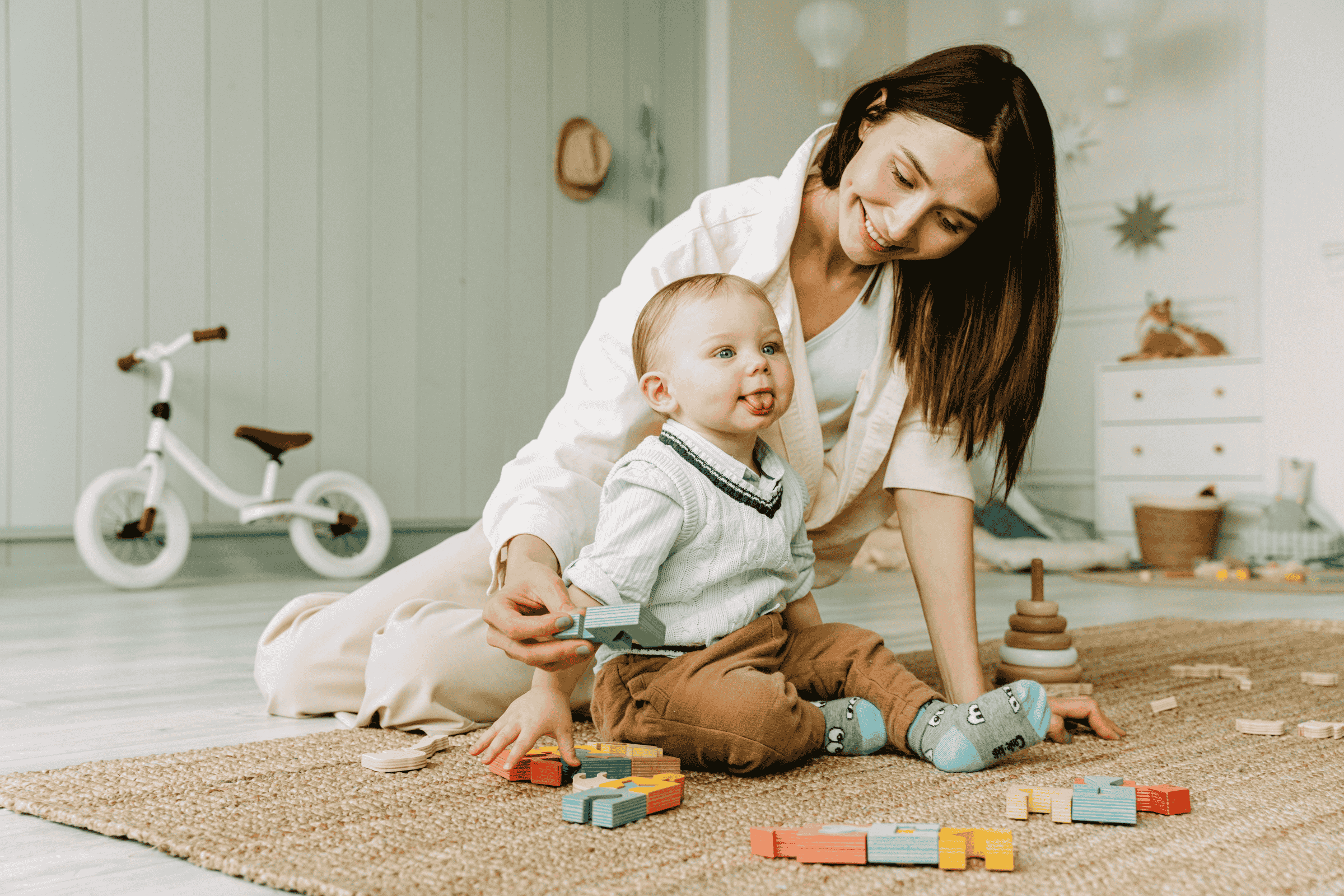
A home with books, dialogue, and the freedom to express ideas will nurture that child’s potential far more than constant surveillance. It is not what the frequency of us “glancing” at a child is, but what the world around him or her is built by us. The home environment has a considerable impact on cognitive development and language development. Children living in stimulating surroundings with positive parenting practices are more likely to engage in healthy social relationships and reach developmental milestones appropriately.
How Environment Affects Behavior
An environment fostering independence permits children to build their problem-solving capabilities and emotional intelligence. Exploration undisturbed by adults’ failures and learning from these fosters adaptability and independence. In fact, over-attentiveness, especially in the form of protectionism, may seek to paralyze the ability of children to make decisions and face challenges unassisted. Parents are advised to concentrate more on building a healthy atmosphere conducive to stimulation than hoovering over their children’s every move. Parenting style is among the significant factors that influence a child’s development, with uninvolved parents or those who hover excessively potentially causing behavioral issues in their children.
System of Environmental Factors That Influence Development
A well-designed environment can teach important life lessons in responsibility, patience, and cooperation. When provided with just the right opportunity to do household chores, to solve minor problems independently, and talk with others other than their parents, children will develop an acute sense of autonomy. Instead of needing constant supervision, children learn to cope and make choices for themselves. This understanding of responsibility leads to resilience in growing up to become a well-rounded, self-sufficient person. Many environmental factors that affect child growth and development include family environment, physical activity levels, and environmental stimuli that support healthy brain development.
Social Experiences That Shape Development
In addition, the child’s environment extends from home into the social world. Types of peers, mentors, and experiences a child may encounter are very relevant in shaping the temperament and worldview of that child. Children who are supported in mixing and mingling with different friend groups and cultures will become more empathic and adaptable. Parents should be aware of providing their children with varied and healthy sources of information about growing into nice, decent, and rounded people rather than merely providing for their time and attention. Peer relationships also have a significant impact on a child’s social and emotional development, especially as the child grows beyond age 5.
Environmental Factors in Physical Development
Nature is a key factor too when it comes to the growth of a child. Children who play outdoors, explore nature, and embark on adventures develop a deep sense of wonder and gratitude for life. Running, climbing, and playing freely in fresh air strengthens both their bodies and minds. These natural experiences build healthier brains and bodies than any amount of indoor attention could provide. Parents should not park children in front of screens for hours and give them some attention but rather provide them with opportunities to connect with nature to be creative and resilient. Physical environment, including exposure to air pollution and housing conditions, can negatively affect physical and mental health, potentially causing developmental delays. The Centers for Disease Control emphasizes that physical activity plays an important role in supporting healthy growth in children and adolescents.
Environmental Influences on Emotional Development
Children must freely express themselves in an environment devoid of judgment. The more convinced a child becomes that their ideas, emotions, and creativity are valued, the more healthy his self-worth will be. These kinds of children do not exist simply to get monologues of praise or dissent. Rather, they thrive when afforded the opportunity to voice opinions, make choices, and act on interests. Such support cultivates independence when children become relaxed, self-confident creatures who will learn to trust their own abilities. A child’s emotional development is deeply influenced by environmental experiences in the child’s early years. Infants are born ready to connect, and positive parenting practices help children develop the emotional growth necessary for overall well-being.
External Environmental Factors in Child Development
Beyond the home, schools, communities, and activities deeply shape how children grow. When children explore environments rich with learning chances, teamwork, and healthy challenges, they build crucial skills like cooperation, grit, and flexibility. Parents should focus less on how much attention they give and more on creating spaces where their children can develop smart minds, strong social bonds, and healthy emotions. The school environment and early childhood education also have a significant impact on a child’s development. Children from low-income families are also more likely to face external influences that may hinder developmental progress, making early intervention crucial for the healthy development of children from all backgrounds.
Long-term Influences of Development
While attention comes and goes, a child’s environment leaves a lasting mark. The aim isn’t to watch over children constantly but to build the right conditions for them to blossom. Children who grow in spaces that welcome discovery, growth, and emotional safety naturally become independent and well-balanced. Parents should work less on giving attention and more on crafting places where children can flourish and grow into their best possible selves. Environmental conditions during childhood affect development and future outcomes well into adulthood. Creating the best environment for growth means understanding the many factors that influence growth and development. Time with family, air quality, and social support all play a crucial role in supporting a child’s growth from infancy through adolescence. Environmental factors that influence human growth and development have a significant impact on a child’s developmental journey and can shape their physical health, cognitive abilities, and social competence for years to come.
Conclusion
Environmental factors that affect child development reach far beyond mere parental attention. From home settings rich with books to outdoor spaces that invite exploration, these surroundings shape children’s physical, cognitive, and emotional growth. Children flourish when given environments that welcome discovery, build resilience, and foster independence. Parents create lasting positive impacts by designing spaces where children can solve problems, form healthy relationships, and express themselves freely. The physical world, social connections, and emotional atmosphere all work together to build well-rounded individuals. By focusing on creating supportive environments rather than constant supervision, parents help children develop the skills needed for lifelong success and well-being.